


Author: Honda San Carlos Team
Welcome to your go-to maintenance guide, crafted specifically for drivers in San Carlos and the surrounding areas like San Mateo, Foster City, Redwood City, Menlo Park, and Burlingame. At Honda San Carlos, we’ve spent decades building trust within this community, understanding the unique driving conditions and climate that affect your Honda. Whether you’re navigating the bustling streets of El Camino Real or making quick trips to the farmers’ market on Laurel Street, this guide will help you keep your vehicle in top shape, reflecting our extensive experience and commitment to our local drivers.
Why Should You Follow a Maintenance Schedule for Your Honda?
Following a maintenance schedule is essential for protecting your investment in your Honda and ensuring it remains reliable, especially for drivers in the San Carlos area. The local climate, with its warm summers and occasional humidity, can put extra strain on your vehicle’s fluids and belts. Additionally, the spring pollen can clog air filters, affecting your engine’s performance. By adhering to the recommended service intervals, you can tackle these challenges effectively.
Regular maintenance not only supports your vehicle's performance and fuel efficiency but also enhances safety. For instance, ensuring timely oil changes and filters replacements helps your Honda run smoothly through daily commutes along El Camino Real or quick trips to the farmers' market on Laurel Street. It’s about more than just avoiding breakdowns; it’s about keeping your car in top shape for all your journeys, whether you're heading to Burton Park or navigating the bustling streets of Downtown San Carlos. For more insights on vehicle care, resources like Edmunds offer a wealth of information.
How Does Honda’s Service Reminder System Work?
Many Honda vehicles feature a service reminder system that notifies you when it's time for maintenance. Depending on the specific model and year, this reminder can either be a straightforward time or mileage-based counter, or it may adjust based on how you use your vehicle, if equipped with that capability. This means you might see a reminder indicating when to check your vehicle's service needs based on either elapsed time or actual usage.
When maintenance is approaching, drivers typically receive notifications through dashboard messages, service indicators like a wrench light, maintenance reminders, or even an oil-life percentage display. It's important to note that the exact system and its behavior can vary among models, so referring to your owner’s manual is essential. Additionally, local driving conditions—such as frequent short trips or stop-and-go traffic on roads like El Camino Real and San Carlos Avenue—may influence how often service is necessary.
What Does the Primary Service Reminder Mean?
After understanding how service reminders work in general, the next step is knowing what the primary reminder indicates for your vehicle. This primary service reminder serves as a high-level alert that scheduled maintenance is due or approaching. Depending on the model and year, some Honda vehicles may show a simple message or indicator, while others provide additional context through an in-vehicle maintenance screen or settings menu. For precise details on what maintenance is due, referring to the owner’s manual or in-vehicle maintenance information is essential.
Primary reminder: A general signal to check your vehicle’s scheduled maintenance guidance and plan for service. It typically means maintenance is due, but may not specify every individual item that requires attention.
Additional details (if shown): Certain vehicles may display extra information—such as a maintenance screen, percentage, or descriptive messages—that can help clarify what needs to be addressed. If your vehicle offers these details, use them alongside the owner's manual to confirm the recommended service.
What Do Additional Service Indicators Mean?
Many vehicles go beyond the primary service reminder, offering extra details like additional items, symbols, or menu entries that can help you identify what type of service is needed. While not every Honda model will display these indicators, understanding them can enhance your vehicle maintenance routine. Here are some common examples you might see:
- Tire rotation: Rotating your tires helps ensure even tread wear and improves handling. If you frequently drive in stop-and-go traffic along El Camino Real or take highway trips to San Mateo or Redwood City, your tires may wear unevenly.
- Engine and cabin air filters: These filters are essential for maintaining engine performance and interior air quality. Dust and pollen from the local environment can clog these filters over time, especially during the allergy season in San Carlos.
- Transmission fluid: Some vehicles recommend service for transmission fluid as part of routine maintenance. Short trips or frequent driving on hills can create extra heat, potentially stressing the transmission.
- Spark plugs and valve clearance check (when applicable): Spark plug replacement is often scheduled, and some engines may need a valve clearance check. These checks are typically part of service intervals for higher-mileage vehicles.
- Engine coolant: This fluid is crucial for regulating engine temperature. Hot weather or extended drives can increase the demand on your cooling system, so regular checks are wise.
- Rear differential fluid (AWD/4WD, if equipped): For vehicles with all-wheel drive, maintaining the differential fluid is important, especially if you navigate wet or uneven surfaces frequently around local parks.
- Brake fluid: Over time, brake fluid can absorb moisture, impacting braking performance. If your vehicle indicates a need for brake fluid service, it’s important to follow the specified intervals for your model.
What is a Typical Honda Service Schedule for San Carlos Drivers?
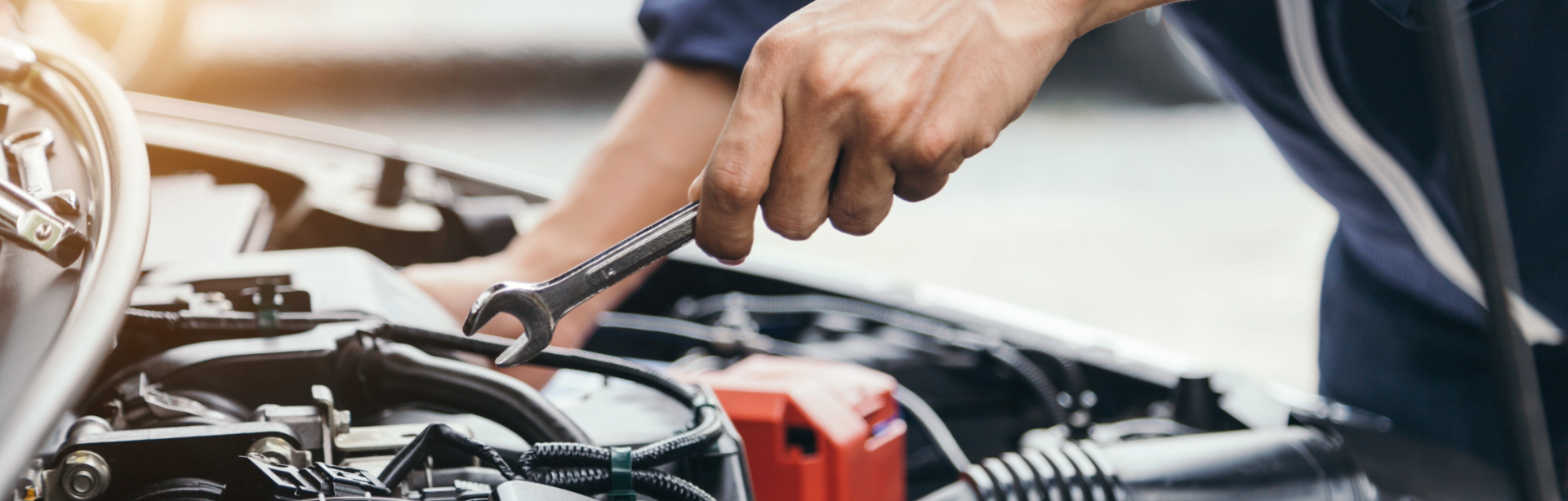
Even if your Honda vehicle features service reminders or maintenance information on the dashboard, having a general understanding of typical maintenance milestones can help you plan effectively. This overview serves as a helpful reference in conjunction with your owner’s manual and any available in-vehicle guidance. It considers the common driving conditions in California, such as short trips, stop-and-go traffic along El Camino Real, and temperature variations that influence maintenance needs.
What Services Are Needed in the First 30,000 Miles?
During the initial 30,000 miles of ownership, many Honda drivers will focus on essential services such as routine oil changes, tire rotations, and checking or replacing filters. The frequency of these services can vary based on your specific Honda model, driving habits, and the recommendations found in your owner’s manual.
What Maintenance Should Be Done Between 30,000 and 60,000 Miles?
As your Honda approaches 30,000 to 60,000 miles, maintenance priorities often transition from basic upkeep to more involved services essential for protecting key vehicle systems. The specific needs can vary based on your model, powertrain, and driving habits.
What Major Services are Required Approaching 100,000 Miles?
As your Honda approaches the 100,000-mile mark, it's common for several significant maintenance tasks to arise. However, the specific services can vary based on your model and engine type, so it's always a good idea to consult your owner’s manual and any vehicle maintenance reminders. Staying ahead on these services can help ensure the longevity of your vehicle.
Spark plug replacement: Fresh spark plugs contribute to improved fuel efficiency, smoother engine operation, and reliable starts—all essential aspects for daily drives around San Carlos, whether you’re commuting via El Camino Real or heading to the farmers' market on Laurel Street.
Timing belt and coolant service: For those Honda models equipped with a timing belt, replacing it is crucial to prevent engine damage. Additionally, a coolant flush or replacement can provide long-term protection for your vehicle's cooling system, helping to prevent overheating and corrosion. Addressing these maintenance items not only enhances reliability but also supports your vehicle’s resale value.
Why is Local Expertise Important for Servicing Your Honda?
Having a service team that understands the unique conditions of San Carlos is invaluable for maintaining your Honda. From the effects of our mild Mediterranean climate on your vehicle's air conditioning system to the impact of local pollen and humidity, our technicians are attuned to the specific needs of the area. For instance, the clay present in our roads can lead to unique wear patterns on tires and brakes, while heavy traffic along El Camino Real (SR-82) can put additional strain on your engine and transmission. Our team at Honda San Carlos is trained to identify and address these region-specific challenges, ensuring your vehicle remains in optimal condition.
For further insights on automotive safety and maintenance tailored to your Honda, consider exploring resources like the National Highway Traffic Safety Administration (NHTSA). They provide valuable safety information and guidelines that can enhance your understanding of how local conditions might affect your vehicle's performance.
Frequently Asked Questions (FAQs)
How often should I really change my oil in San Carlos's climate?
Your vehicle's service reminder or owner's manual is the best reference, as intervals can differ based on driving habits and conditions. In San Carlos, where the climate is generally mild, many drivers find it ideal to change their oil regularly, especially if using synthetic oil.
Are all-season tires enough for the San Carlos area?
Yes, high-quality all-season tires are suitable for most weather conditions in San Carlos, providing reliable traction during the rainy season and on dry roads. They perform well for daily commutes along El Camino Real and are a practical choice for local driving.
Does commuting on local highways affect my service intervals?
Absolutely. Frequent stop-and-go traffic on busy routes, like San Carlos Avenue, can put more strain on your vehicle compared to steady highway driving. If your Honda has a service reminder system, it may suggest earlier maintenance due to these driving conditions.
With local pollen counts, how often should I change my cabin air filter?
We recommend inspecting your cabin air filter annually, particularly after the heavy pollen season in spring. This practice helps ensure clean air inside your Honda, especially during visits to parks like Burton Park.
Is AWD worth it for driving in San Carlos?
While not essential for everyone, a Honda with available AWD can be beneficial during unexpected rainstorms, improving traction on wet roads. This feature enhances stability, making it a worthwhile consideration for those who frequently drive in variable weather.
What maintenance schedule should I follow for older Honda models without a service reminder system?
For older Hondas lacking a service reminder, following the maintenance intervals in your owner's manual for filters and other essential services will help keep your vehicle running smoothly.
About Honda San Carlos
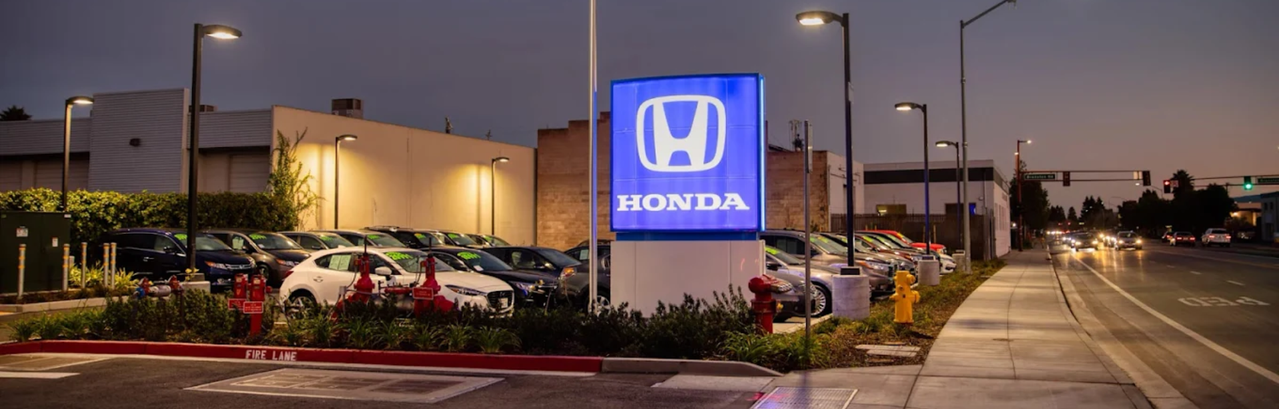
Honda San Carlos has been a trusted, family-owned dealership serving our community since 1965, and we are proud of our newly remodeled showroom. Our team, which includes Spanish-speaking members, is dedicated to providing an excellent experience for every customer. We are honored to have earned the Honda Financial Services Council of Excellence award for our commitment to exceptional service. During your visit, you can relax in our comfortable customer lounge or get work done in our dedicated customer work area. We invite you to experience our award-winning service and see why we have been a community staple for decades.
